 languages

 English
 русский
In the ever-evolving landscape of plumbing and industrial fluid control, the brass ball valve has established itself as a crucial component. Known for its durability, efficiency, and versatility, the brass ball valve is widely used in residential, commercial, and industrial applications. From managing water flow in household plumbing to controlling high-pressure gases in industrial systems, these valves play a vital role in ensuring smooth and safe operations.
As industries continue to demand more reliable and high-performance fluid control solutions, the brass ball valve remains a preferred choice due to its robust construction and long service life. This article explores the significance of brass ball valves, their applications, benefits, and the future trends shaping this essential component of fluid management systems.
Understanding Brass Ball Valves
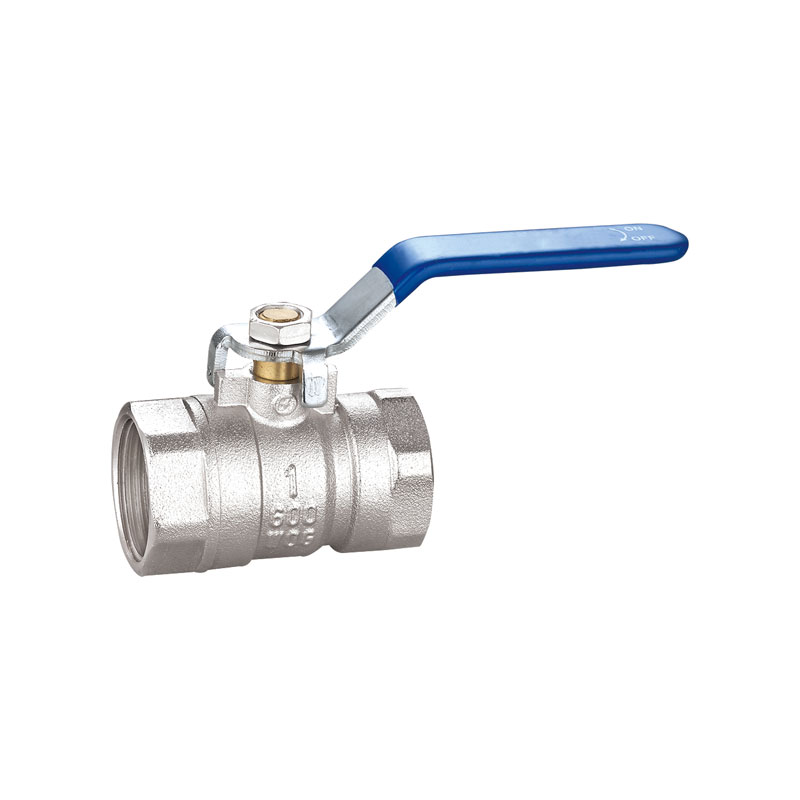
A brass ball valve is a type of shut-off valve that controls fluid flow using a rotating ball with a hole (bore) through its center. When the handle is turned 90 degrees, the ball either allows or blocks the flow of fluid. This simple yet effective mechanism makes brass ball valves highly reliable for various applications.
Brass, an alloy of copper and zinc, provides corrosion resistance, durability, and high-temperature tolerance, making it ideal for fluid control applications. Unlike other materials, brass offers a balance between strength, affordability, and longevity, making brass ball valves a widely adopted solution across industries.
Key Applications of Brass Ball Valves
1. Residential and Commercial Plumbing Systems
Brass ball valves are extensively used in household plumbing to control the flow of water in sinks, showers, and appliances like dishwashers and washing machines. Their ease of operation and leak-proof design make them an essential component in both residential and commercial water supply systems.
In commercial buildings, including hotels, shopping malls, and office complexes, brass ball valves help manage large-scale water distribution networks. Their ability to handle high pressures and temperatures ensures efficient water flow control while minimizing the risk of leaks or failures.
2. Industrial and Manufacturing Processes
In industries such as chemical manufacturing, oil and gas, and pharmaceuticals, precise fluid control is essential. Brass ball valves regulate the movement of liquids and gases under conditions, including high pressure and temperature.
For example, in chemical processing plants, these valves control the flow of potentially hazardous fluids, ensuring safety and efficiency. Similarly, in oil and gas applications, brass ball valves play a critical role in pipeline systems, providing a reliable means of shutting off or regulating flow.
3. HVAC and Refrigeration Systems
Heating, ventilation, and air conditioning (HVAC) systems rely on brass ball valves to control refrigerant flow, ensuring the proper operation of cooling and heating units. Their resistance to corrosion and ability to withstand temperature fluctuations make them ideal for HVAC applications.
In refrigeration systems, brass ball valves help maintain precise pressure control, preventing equipment damage and ensuring energy efficiency. Their durability ensures long-term reliability, reducing maintenance costs for businesses and homeowners.
4. Gas Distribution Networks
Brass ball valves are commonly used in gas supply lines, including natural gas and propane distribution networks. Their ability to create a tight seal minimizes the risk of leaks, which is crucial for safety in residential and industrial gas systems.
Whether in kitchen gas pipelines or large-scale industrial gas processing facilities, brass ball valves provide dependable shut-off and regulation capabilities, enhancing operational safety and efficiency.
5. Irrigation and Agricultural Systems
In agricultural applications, brass ball valves help regulate water flow in irrigation systems, ensuring efficient water distribution for crops and livestock. Their corrosion resistance and ability to withstand outdoor conditions make them an ideal choice for farming operations.
From drip irrigation systems to high-pressure sprinkler networks, brass ball valves play a crucial role in optimizing water usage while minimizing waste.