 languages

 English
 русский
In industrial applications, safety is paramount. Whether it's controlling steam pressure in boilers, regulating air pressure in compressors, or managing fluid systems in manufacturing plants, safety valves are integral components that ensure the safe operation of machinery and systems. Among these critical components, brass safety valves stand out for their reliability, durability, and versatility. These valves play a crucial role in preventing overpressure conditions, protecting both people and equipment from potential harm.
As industries increasingly demand higher efficiency, precision, and safety, the role of brass safety valves becomes more important. This article explores the significance of brass safety valves, their applications, and the latest trends shaping their use in various industries.
What is a Brass Safety Valve?
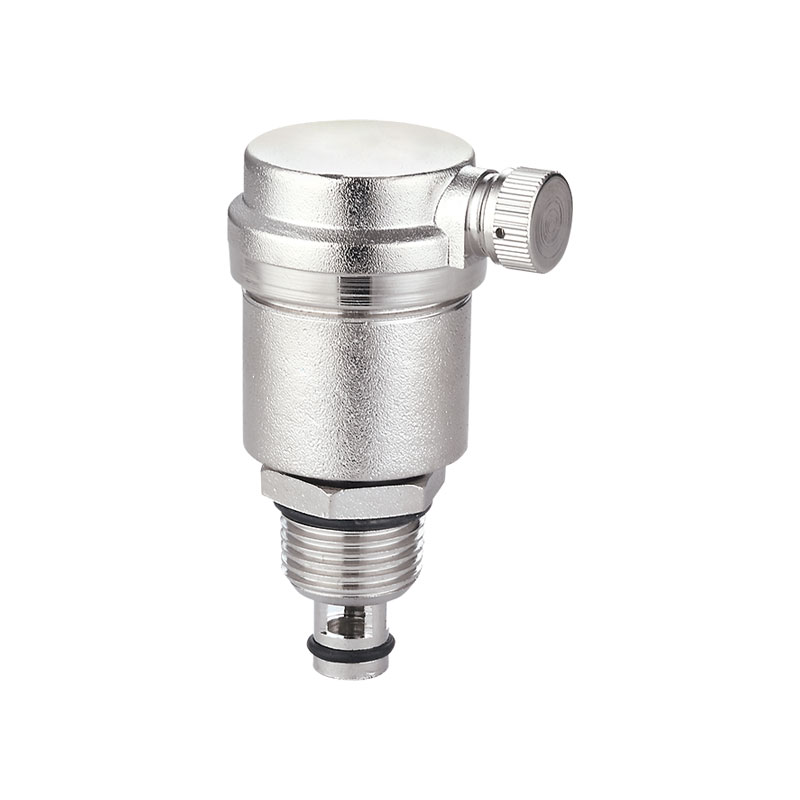
A brass safety valve is a type of pressure relief valve that is designed to protect systems from dangerous overpressure situations. Constructed from high-quality brass, these valves are engineered to open automatically when the pressure inside a system exceeds a predetermined limit. By releasing excess pressure, brass safety valves prevent equipment from damage, reduce the risk of explosions, and ensure the smooth operation of fluid systems.
Brass, an alloy made of copper and zinc, is highly resistant to corrosion, making it an ideal material for safety valves. Its durability allows it to function in harsh environments where other materials might fail. Brass safety valves are particularly effective in systems that operate under high pressures and temperatures, making them an essential tool in industries ranging from manufacturing and oil and gas to HVAC and food processing.
Applications of Brass Safety Valves
1. Industrial and Manufacturing Systems
Brass safety valves are indispensable in industrial environments, where they help regulate the pressure in critical systems like boilers, steam pipelines, and compressors. In manufacturing plants, these valves play a crucial role in maintaining safe operating conditions, preventing accidents such as ruptured pipes, equipment failures, or fires caused by excessive pressure.
For instance, in the petrochemical industry, where pipelines often carry volatile gases or chemicals under high pressure, brass safety valves are essential to protect workers and the environment. These valves ensure that any sudden pressure buildup is safely released, mitigating the risk of catastrophic failures.
2. HVAC Systems
In Heating, Ventilation, and Air Conditioning (HVAC) systems, brass safety valves regulate the pressure of refrigerants and coolants. Given the complex and often high-pressure nature of HVAC systems, safety valves are critical to ensuring proper pressure management. If a system fails to regulate pressure correctly, it could result in equipment damage or unsafe conditions, including system overheating or ruptures.
In air-conditioning units, for example, a brass safety valve protects the compressor by relieving excess pressure in the system, ensuring the system runs smoothly and efficiently.
3. Boiler and Steam Systems
Boilers that operate under high pressure need to be carefully monitored to prevent dangerous overpressure conditions. Brass safety valves are commonly used in steam boilers to ensure that they do not exceed safe pressure levels. If pressure exceeds the valve's set point, the valve opens to release steam and maintain safe operating conditions.
These valves are critical in industries such as power generation, pharmaceuticals, and food processing, where steam is used extensively for heating and sterilization purposes. Without the protection of a safety valve, the risk of boiler explosions, which can be deadly, would be much higher.
4. Oil and Gas Industry
The oil and gas industry relies heavily on brass safety valves to ensure the safe operation of pipelines and refining equipment. These valves protect workers and the environment by preventing overpressurization in critical systems, such as oil and gas transport pipelines, hydraulic systems, and pressure vessels.
In offshore drilling rigs, for example, brass safety valves are used to protect wellheads, compressors, and other critical equipment from pressure surges that could otherwise lead to accidents or environmental disasters.
5. Water and Wastewater Treatment Plants
Water treatment facilities rely on brass safety valves to manage pressure in pipelines and filtration systems. These valves help prevent over-pressurization in water tanks, pumps, and pipes, ensuring a steady, controlled flow of water throughout the facility. In wastewater treatment plants, brass safety valves play a similar role, regulating pressure and ensuring the safety of workers and equipment.